Manufacturing pricing strategy is crucial in determining a company’s profitability and market competitiveness, especially in the cabinet manufacturing industry. With rising material costs, labor expenses, and increasing demand for custom products, manufacturers must develop effective manufacturing pricing models that balance costs and customer expectations. In this sector, the complexity of custom cabinet designs makes traditional fixed pricing models less effective, leading to either underpricing or overpricing.
One solution to these challenges is the implementation of product configurations, which allow for flexible, real-time pricing based on customer selections. By leveraging product configurations, cabinet manufacturers can define effective manufacturing pricing models, establish a successful manufacturing pricing strategy, and streamline their pricing processes, accurately reflect the cost of custom orders, and enhance the customer experience, all while maintaining control over production costs and profit margins.
Effective Pricing Strategies in Manufacturing
Pricing strategy in cabinet manufacturing sector hinges on accurately balancing production costs, market demand, and profit margins. This can be tricky, as manufacturers deal with fluctuating material costs, labor expenses, and varying customer expectations.
There are generally two pricing approaches or two manufacturing pricing models:
- Cost-plus pricing – a method that adds a fixed percentage to the production cost of a product, ensuring profit margins remain stable.
- Value-based pricing – a method that determines the price based on perceived value to the customer, considering the uniqueness and market positioning of the product.

In the cabinet manufacturing industry, pricing can become even more complex due to the customized nature of many orders. Customers often require cabinetry that fits specific dimensions, materials, and finishes. A fixed-price model may not account for these variations, leading to overpricing or underpricing. Manufacturers must adopt flexible effective manufacturing pricing strategies to reflect the variability in their offerings. This ensures that customers pay a fair price for their unique needs while the company maintains profitability.
Incorporating technology, such as product configuration software, into pricing strategies, allows for more precise, real-time cost adjustments based on customer choices, optimizing both the manufacturing process and the customer experience.
Understanding Pricing Challenges in Cabinet Manufacturing
Cabinet manufacturers face several unique pricing challenges that can disrupt profitability and customer satisfaction. Some of the most common challenges include the following:
- Customization Costs: Many customers require custom cabinet designs, which increases material usage and labor. Without a flexible pricing system, it becomes difficult to accurately reflect these additional costs, leading to thin profit margins.
- Material Cost Fluctuations: The price of raw materials, such as wood and hardware, is volatile. Fixed pricing models may not account for these fluctuations, leaving manufacturers vulnerable to absorbing additional costs.

- Complexity in Estimations: Pricing cabinets require precisely estimating factors like size, finishes, hardware, and installation. Inaccurate estimations can lead to discrepancies between the quoted and final prices, frustrating customers and impacting profits.
- Competition and Market Pressure: Manufacturers often face pressure to remain competitive. However, cutting prices to stay competitive can eat into margins if not carefully managed, especially when dealing with custom or high-end products.
- Inefficiencies in Quoting Processes: Slow or inefficient quoting processes can delay sales and affect customer satisfaction. Inaccurate quotes, caused by outdated pricing models or manual errors, can also harm the manufacturer’s reputation and profitability.
Addressing these manufacturing pricing challenges leads to a better manufacturing pricing strategy but requires more than just adjusting prices—it demands effective manufacturing pricing strategies and a strategic approach that includes flexible, technology-driven solutions to ensure cost control and customer satisfaction.
The Role of Product Configurations in Resolving Pricing Challenges
Product configurations are an advanced tool that is used to customize products based on customer preferences while controlling costs. It proved as one of the most effective manufacturing pricing strategies. In cabinet manufacturing, product configurations allow customers to select features such as cabinet dimensions, materials, finishes, and hardware.
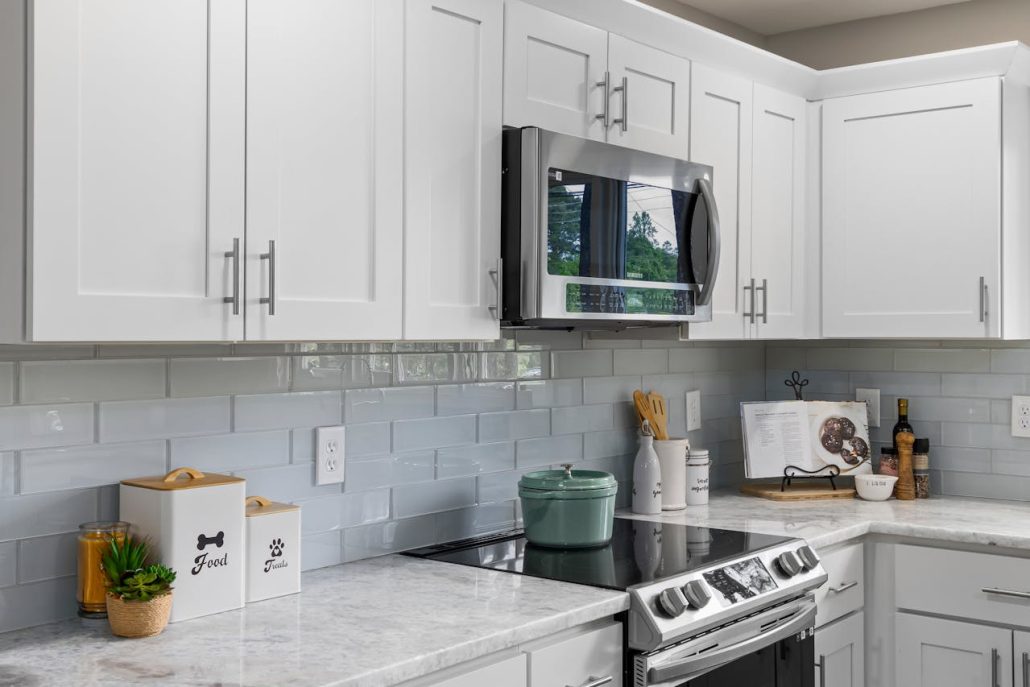
The system enables real-time pricing adjustments as customers make their selections, automatically calculating costs based on predefined pricing rules. By using product configurator software, manufacturers can streamline the pricing process, reduce manual errors, and offer customers more transparency.
Product configurations not only improve pricing accuracy but also simplify complex sales processes. When done correctly, this approach allows cabinet manufacturers to offer bespoke products while maintaining profit margins and enhancing the customer experience.
Benefits of Product Configurations in Fixing Pricing Issues
Product configurations provide several key benefits in addressing pricing challenges and establishing manufacturing pricing strategy in cabinet manufacturing
Enhancing Customer Experience
Customers increasingly expect a seamless buying experience, with the ability to personalize their orders. Product configurations allow customers to design cabinets that meet their specific requirements, with real-time pricing updates as they make selections. This increases transparency and builds trust, as customers can see how their choices affect the final price. Configurations also help customers make more informed decisions, as they can balance their desired features against their budget.

Streamlining the Manufacturing Process
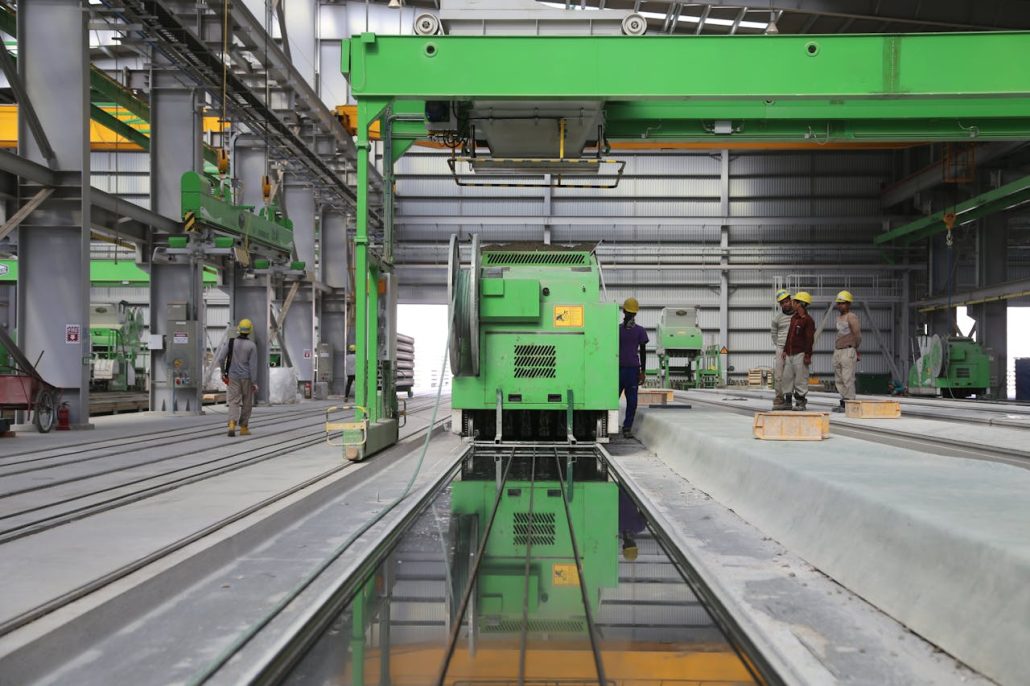
Using product configurations reduces the need for manual intervention in the ordering process. The system automatically calculates dimensions, materials, and costs based on the customer’s choices, feeding this data directly into the manufacturing workflow. This reduces errors and speeds up production, as manufacturers don’t need to recalculate every order individually. Streamlined processes lower production costs, improve efficiency, and reduce lead times.
Managing Costs Effectively
Product configurations allow manufacturers to apply dynamic pricing models that reflect real-time costs for materials and labor. When raw material prices fluctuate, the configuration system can adjust the final price without the need for manual recalculations. This ensures that manufacturers maintain healthy margins despite changes in external factors like market prices for wood or metal. Additionally, configurations help manufacturers identify the most cost-effective production methods by standardizing common components while allowing for customization where necessary.
These benefits combine to offer a more optimized, cost-efficient, and customer-centric pricing strategy for cabinet manufacturers.
Implementing a Product Configuration Strategy
By adopting the right tools, training, and best practices, manufacturers can reduce errors, improve operational efficiency, and enhance the overall customer experience. Here is what you need to implement a product configuration strategy.

1. Tools and Software for Configuring Cabinets
Implementing product configurations requires specialized software that allows manufacturers to automate and streamline the customization process. These tools integrate with existing manufacturing and enterprise resource planning (ERP) systems, making it easy to manage customer selections, adjust pricing, and automate production processes. Software solutions like KitchenDEV and others offer configurable platforms tailored to the needs of the cabinet manufacturing industry, enabling real-time pricing updates and product visualizations.
2. Training and Support for Sales Teams
Effective implementation of product configurations depends on equipping sales teams with the tools and knowledge they need to guide customers through the configuration process. Training programs should focus on helping sales staff understand the system, including how to use it to generate accurate quotes and address customer inquiries about pricing and product options. Proper training reduces the risk of errors and ensures that customers have a positive experience when customizing their cabinets.
Ensuring teams can guide customers through the configuration process
Sales teams need to understand both the product and the technology behind product configurations. A strong focus on product knowledge, pricing rules, and system functionality helps sales representatives provide better guidance and ensure that customer selections are reflected accurately in the final price. By doing so, sales teams can reduce discrepancies between initial quotes and final invoices.
3. Case Studies
Several cabinet manufacturers have successfully implemented product configuration strategies to optimize pricing and streamline their operations. For example, KitchenDEV’s automated order entry system boosts manucaturers’ efficiency by increasing accuracy and saving a significant amount of time.
Successful implementations of product configurations in cabinet manufacturing
For example, Adornus, a leading cabinet manufacturer, used KitchenDEV’s Cabinet Pricing & Ordering solution to improve efficiency in its pricing process. By automating real-time pricing and order management, they reduced the time needed to generate accurate quotes, enhancing both speed and accuracy. This change helped eliminate errors in manual quoting, increasing customer satisfaction and enabling faster decision-making.
Another success story comes from a cabinet dealer who used KitchenDEV’s platform to automate communications between manufacturers and dealers. This integration allowed for real-time pricing adjustments based on material choices and order quantities, providing transparency and accuracy in pricing. The result was a smoother collaboration process and improved customer experience, as buyers could customize their cabinets online with confidence in both the product and price.
These case studies and, at the same time, success stories, demonstrate how product configurations can enhance pricing strategies, improve operational efficiency, and elevate customer satisfaction for cabinet manufacturers.
How KitchenDEV Helps Resolve Pricing Challenges in the Cabinet Manufacturing Industry
KitchenDEV offers tailored solutions for cabinet manufacturers, particularly when overcoming pricing challenges. The platform simplifies product configuration, pricing, and communication, helping manufacturers streamline operations and boost profitability. KitchenDEV’s Cabinet Pricing & Ordering Solution provides real-time product pricing, updating costs automatically as customers select different configurations such as materials, finishes, or hardware.
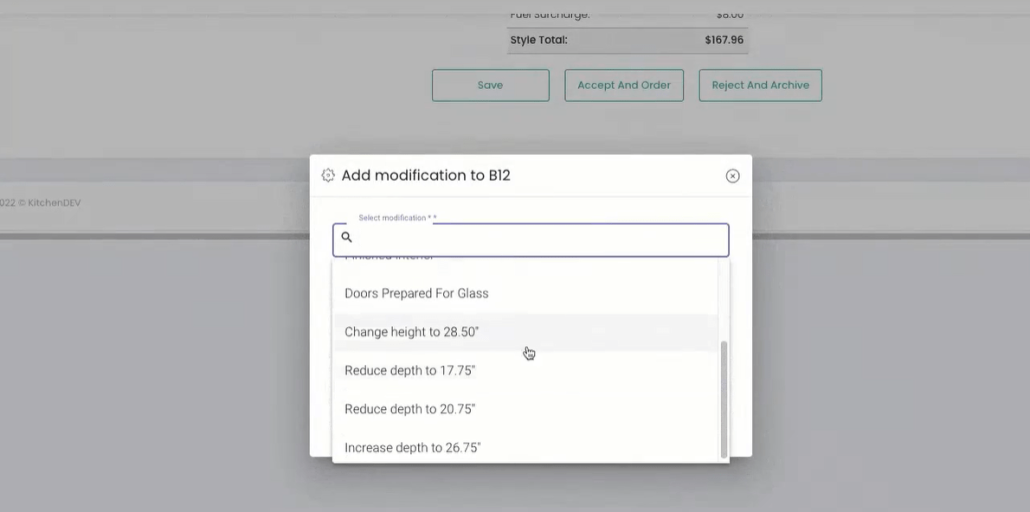
This kitchen cabinet cost estimator system significantly reduces errors and inefficiencies in pricing, allowing manufacturers to respond to market fluctuations in material costs quickly. Additionally, KitchenDEV enables seamless collaboration between manufacturers and dealers, improving transparency and helping both parties offer competitive pricing without sacrificing quality.
Our cabinet estimating software also helps manufacturers optimize their supply chain by integrating order management and production workflows, ensuring that all configurations are accounted for and that manufacturing is as cost-effective as possible. Using KitchenDEV, cabinet manufacturers can maintain profitability, improve customer satisfaction, and respond dynamically to pricing challenges across their product range.
Manufacturing Pricing Strategy FAQ
- How do product configurations impact pricing in cabinet manufacturing?
Product configurations in cabinet manufacturing enable real-time, dynamic pricing based on customer selections, such as materials, dimensions, and finishes. As customers choose different options, the configuration system automatically updates the price, ensuring accurate and transparent pricing for customized orders. This eliminates manual errors and reduces discrepancies between quoted and final prices. Product configurations also allow manufacturers to quickly adjust prices in response to fluctuations in material costs or labor expenses. Overall, they help manufacturers maintain profitability while offering tailored solutions that meet customer demands efficiently.
- What software tools are available for cabinet configuration?
Several software tools are available to streamline cabinet configuration and pricing. KitchenDEV is a leading solution designed specifically for cabinet manufacturers, offering real-time product customization, pricing updates, and order management. Other popular tools include SketchUp and 2020 Design, which focus on visualizing cabinet designs while also supporting pricing and material choices. These platforms integrate with ERP systems to automate processes and reduce manual errors in quoting and production. Each tool helps manufacturers improve accuracy, efficiency, and customer experience by simplifying the customization and pricing of cabinets.
- Why is flexible pricing important in the cabinet manufacturing industry?
Flexible pricing is crucial in the cabinet manufacturing industry due to the high demand for custom designs and fluctuating material costs. As customers often require unique specifications, a rigid pricing model can lead to inaccurate quotes, either overpricing or underpricing the product. Flexible pricing allows manufacturers to adjust costs in real time based on factors like material choices, labor, and market conditions, ensuring profitability. It also enhances customer satisfaction by providing transparency and fairness in pricing for custom orders. Solving manufacturing pricing challenges and establishing flexible pricing helps manufacturers remain competitive while maintaining control over their profit margins.
- How can manufacturers improve the customer experience through pricing strategies?
Manufacturers can improve the customer experience through pricing strategies by offering transparent and real-time pricing, allowing customers to see how their choices impact costs instantly. Using product configuration tools, they can provide accurate, dynamic quotes for custom orders, reducing surprises or discrepancies in the final price. Flexible pricing models enable manufacturers to meet diverse customer needs, offering tailored solutions that balance quality and budget. A streamlined quoting process speeds up decision-making, enhancing the overall buying experience. By making pricing clearer and more customer-friendly, manufacturers build trust and improve satisfaction.
- How does product configuration streamline the manufacturing process?
Product configuration streamlines the manufacturing process by automating the customization and pricing of cabinet orders, reducing the need for manual calculations. It ensures that all customer selections, such as dimensions, materials, and finishes, are accurately translated into production requirements. This integration eliminates errors in both pricing and manufacturing, speeding up order processing and reducing lead times. Product configuration tools also feed data directly into manufacturing systems, enabling more efficient resource planning and inventory management. It simplifies complex workflows, resulting in faster production cycles and improved operational efficiency.
Conclusion
Optimizing manufacturing pricing strategy in cabinet manufacturing requires a multifaceted approach that addresses the unique manufacturing pricing challenges, challenges of customization, material costs, and customer expectations. By integrating product configurations into the pricing strategy, manufacturers can enhance the customer experience, streamline production, and manage costs effectively. Tools like KitchenDEV further support manufacturers by automating pricing processes and improving collaboration across the supply chain.
By adopting these solutions, cabinet manufacturers can remain competitive, maintain profitability, and provide customers with customized, high-quality products without sacrificing efficiency or cost control.
