ERP integration (Enterprise Resource Planning) is now a fundamental aspect of modern business strategies, highlighting the convergence of various organizational functions. In 2025, integrating ERP systems is essential for seamlessly combining diverse business processes. This integration reflects the critical fusion of technology and operations, a necessity for businesses navigating today’s complex global market.
ERP system integration emphasizes unifying disparate systems into a cohesive structure, which streamlines workflows and enhances collaboration. As businesses strive to boost operational efficiency, reduce redundancies, and adopt a holistic approach to data management, ERP system integrations becomes crucial. In the digital age, where seamless connectivity is key, companies that embrace ERP integration are well-positioned to achieve greater productivity and competitive advantage in their industries.
Benefits of ERP Integration
The integration with ERP systems in 2025 yields many benefits, solidifying its position as a main driver of any organizational success. This integration optimizes business processes by facilitating seamless communication and data sharing across various departments. This cohesion not only enhances efficiency but also provides real-time insights, empowering informed decision-making.
One of the key benefits of ERP integration is the reduction of manual work, as automated processes minimize errors and streamline workflows. The consolidated data architecture ensures accuracy and consistency throughout the organization, leading to improved productivity. Software integration fosters collaboration by breaking down silos, promoting a unified approach to tasks. This results in heightened responsiveness to market demands and a strategic edge in the dynamic business landscape. The benefits of ERP integration extend far beyond operational efficiency, permeating every facet of an organization and positioning it for sustained growth and competitiveness.
Disadvantages of ERP System Integrations
While the imperative to integrate ERP brings substantial advantages, it is essential to acknowledge the potential challenges that organizations may encounter. The complexity associated with ERP software integration can lead to significant implementation costs, requiring substantial financial investments. Resistance from employees adapting to new systems is a common hurdle, often leading to temporary disruptions in operations. Additionally, the time required for training and the initial learning curve can pose challenges to a seamless transition.
ERP software integration systems may also necessitate significant changes in existing workflows, causing temporary productivity dips. Balancing the need for customization with system compatibility can be delicate, and misalignment may result in inefficiencies. Despite these challenges, strategic planning, comprehensive training programs, and meticulous execution can mitigate the disadvantages of ERP system integration, ensuring a smoother transition and maximizing the long-term benefits of this transformative process.
Optimizing Order Entry in the Kitchen Industry Through Integration with ERP
In the kitchen industry, where precision and efficiency are paramount, in 2025 more than ever, the significance of integration cannot be overstated, particularly in the realm of order entry. The seamless coordination of various processes, from inventory management to order fulfillment, is crucial for meeting customer demands and maintaining a competitive edge. ERP software integration plays a pivotal role in automating order entry processes, reducing manual interventions, and enhancing the overall efficiency of sales workflows.
With real-time data synchronization, manufacturers and retailers in the kitchen industry can ensure accurate order processing, minimize errors, and improve customer satisfaction. KitchenDEV, a leading solution in this space, takes this a step further by offering specialized tools and support for ERP integrations. Through KitchenDEV, businesses can harness the power of these integrations to streamline order entry, simplify sales processes, and ultimately thrive in the demanding landscape of the kitchen industry.
Streamlining ERP Software Integration for Cabinet Manufacturers and Retailers with KitchenDEV
KitchenDEV emerges with both manufacturers’ solutions and dealers’ solutions when they are seeking seamless integration with ERP. It’s a complete, hassle-free solution and provides full control when importing 2020 designs into Netsuite or a similar ERP. KitchenDEV in 2025 offers an easy and simple step-by-step setup process that is both intuitive and tailored to the unique needs and requirements of the industry.
The journey with KitchenDEV begins with a comprehensive consultation, where the specific requirements of the cabinet manufacturing or cabinet retail business are carefully examined. This initial step ensures a customized strategy for integrating ERP systems like QuickBooks, Acumatica, and Netsuite.
The setup process progresses to data mapping, a critical phase facilitated by KitchenDEV’s user-friendly tools. This ensures a smooth flow of information between the chosen ERP system and existing operational structures, minimizing disruptions and optimizing the integration experience.
For cabinet manufacturers, the advantages of KitchenDEV are multifold. KitchenDEV enhances production efficiency, streamlining order processing and inventory management. Retailers, on the other hand, benefit from accurate order entry and streamlined sales processes, fostering customer satisfaction and loyalty. What’s best, manufacturers and retailers can work together in this comprehensive ERP and collaborate with ease and success.
What sets KitchenDEV apart is its compatibility with popular ERP systems. Whether businesses seek QuickBooks, Acumatica, or Netsuite integration, KitchenDEV ensures a cohesive integration process that aligns seamlessly with diverse business environments. The result is not just efficient integration but a transformative tool that empowers cabinet manufacturers and retailers to thrive in a competitive market landscape.
ERP Integrations Available with KitchenDEV
KitchenDEV stands out as a dynamic solution for kitchen manufacturers and dealers, offering seamless integrations with industry-leading ERP systems. These integrations enhance operational efficiency, accuracy, and overall business performance.
Netsuite ERP Integration
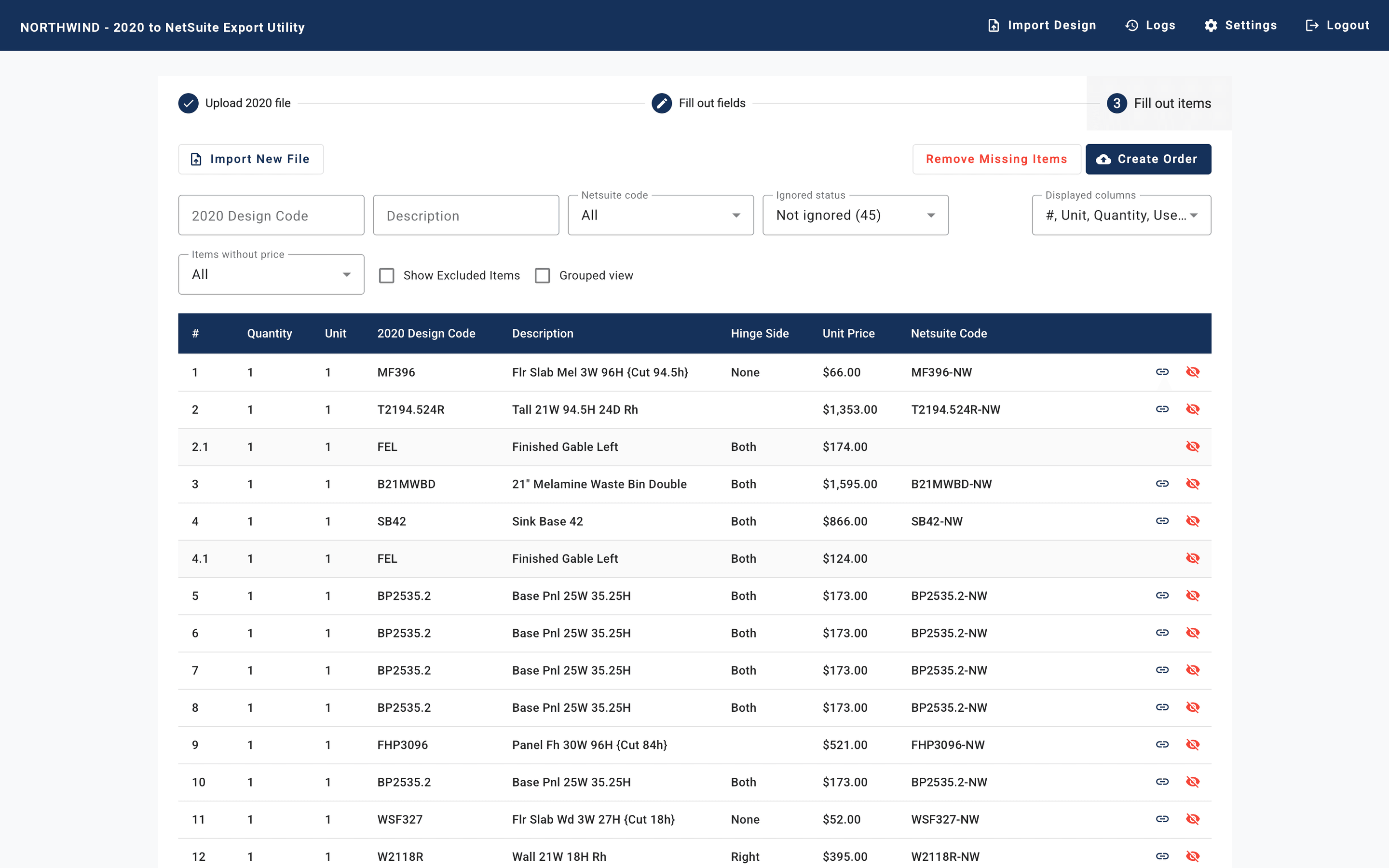
KitchenDEV’s 2020 Design to Netsuite integration is a robust solution designed to streamline workflows for kitchen manufacturers. By seamlessly connecting with Netsuite, KitchenDEV ensures real-time data synchronization, enabling users to manage orders, inventory, and production schedules with precision. It flawlessly maps products from files into real products existing in inventory, and only after the mapping is it uploaded to the Netsuite.
Thanks to this integration, you can:
- Import a kitchen design made in 2020 and get all the parts
- Map the parts coming from 2020 to the codes in Netsuite
- Display the results to the user and ask for help for the parts it can’t match.
- Create new estimates in Netsuite and add all the parts to the estimate automatically
If you’re currently using our Cabinet Pricing & Ordering app, you may already know about its many exceptionally useful and practical features that save tons of time and resources. Chances are, you’re already familiar with this particular one and you are using it to the fullest potential.
In case you’re not a current Cabinet Pricing & Ordering user, and you’d like to further understand how to export your 2020 designs directly to Netsuite or a similar ERP and automatically create estimates, contact us. Our specialists will be happy to help you and guide you through the process.
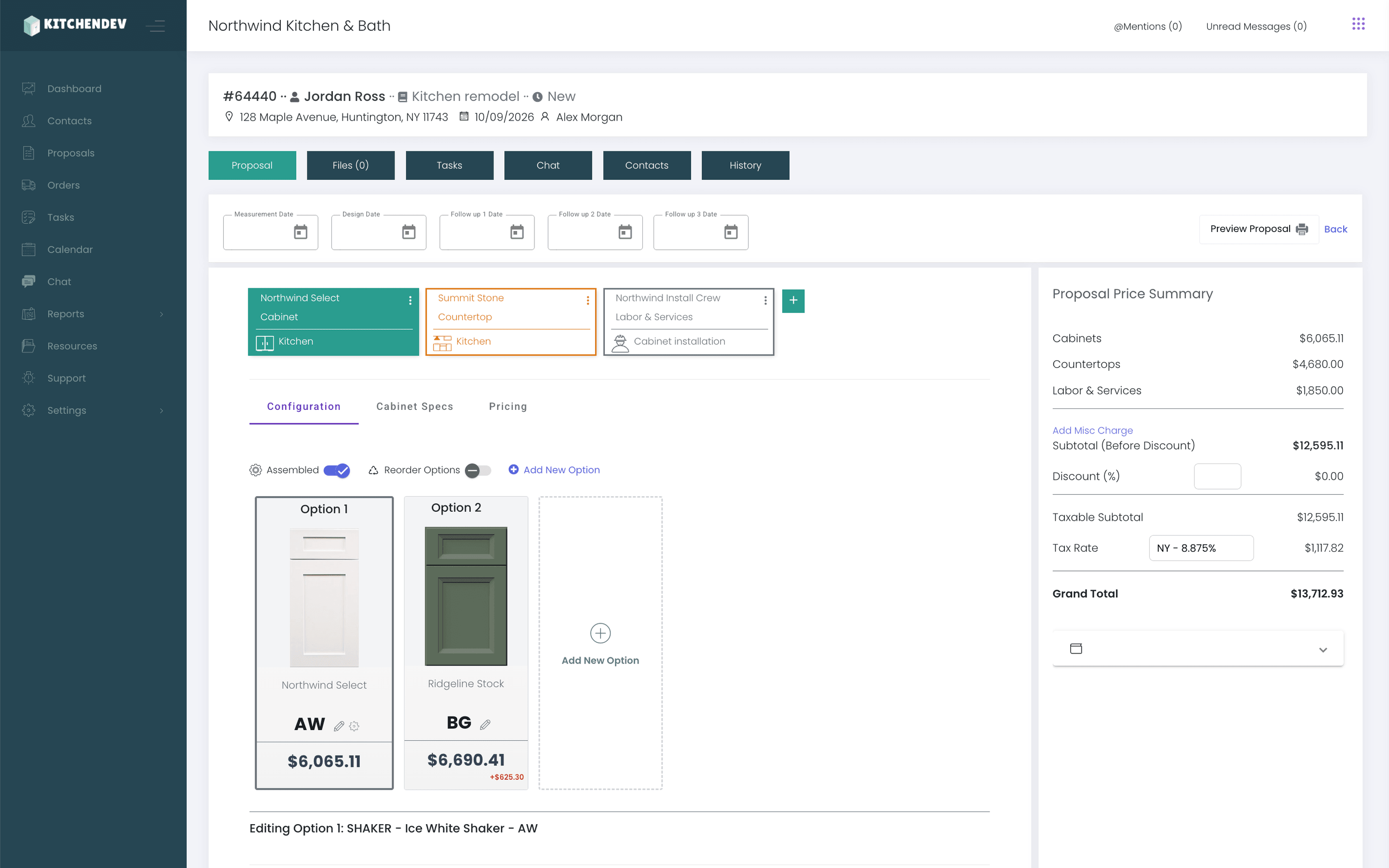
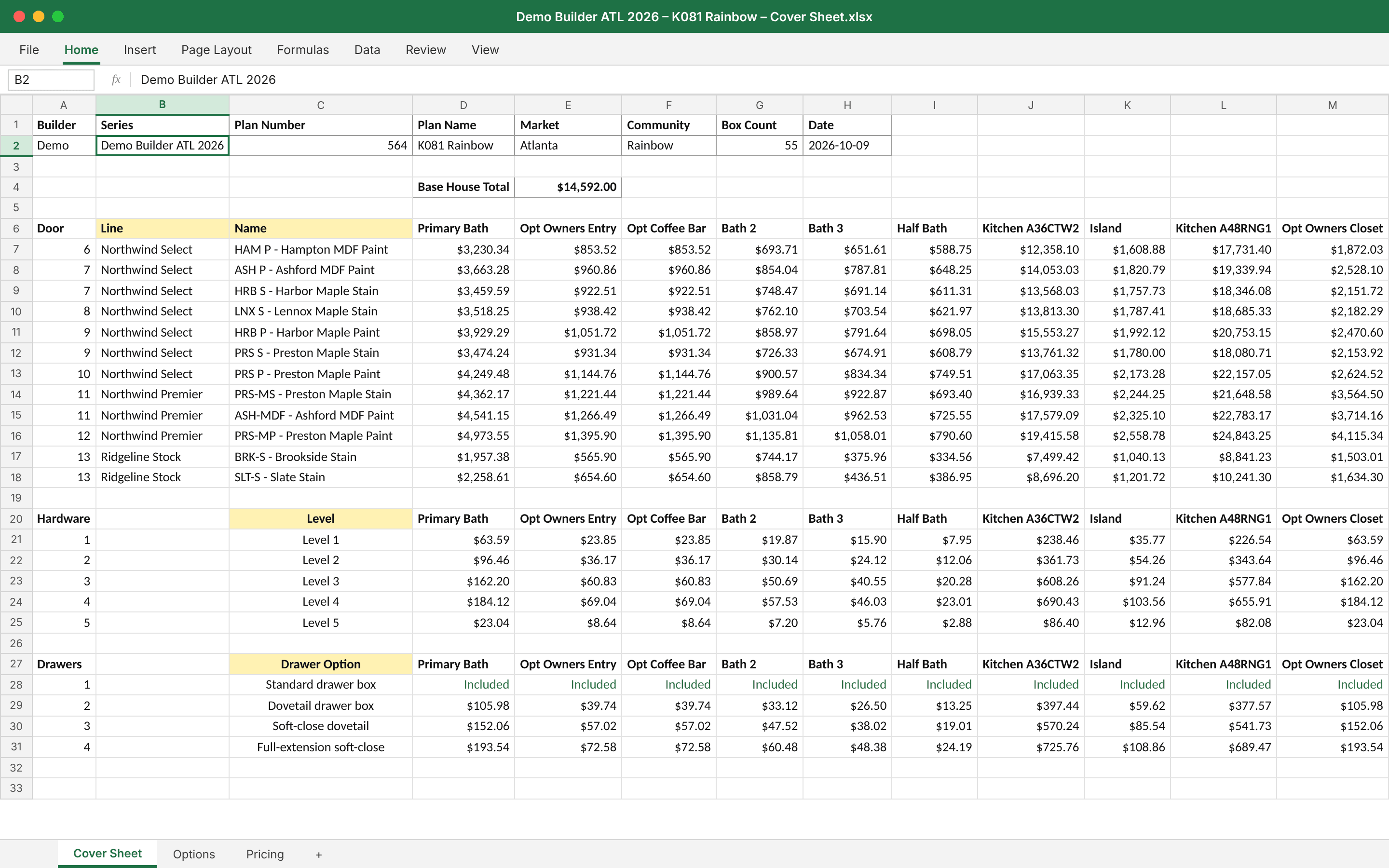
You can use our full ERP application or just selected components. We integrate with Netsuite and similar ERP applications. Our application can act as an online portal to your dealers where they can upload 2020 designs and see your pricing. They can then place orders on our application which result as quotes in Netsuite or another ERP you use. With KitchenDEV, you can easily bring your design into our application to price the parts, add custom modifications and charges, and create a proposal for your customer.
QuickBooks ERP Integration
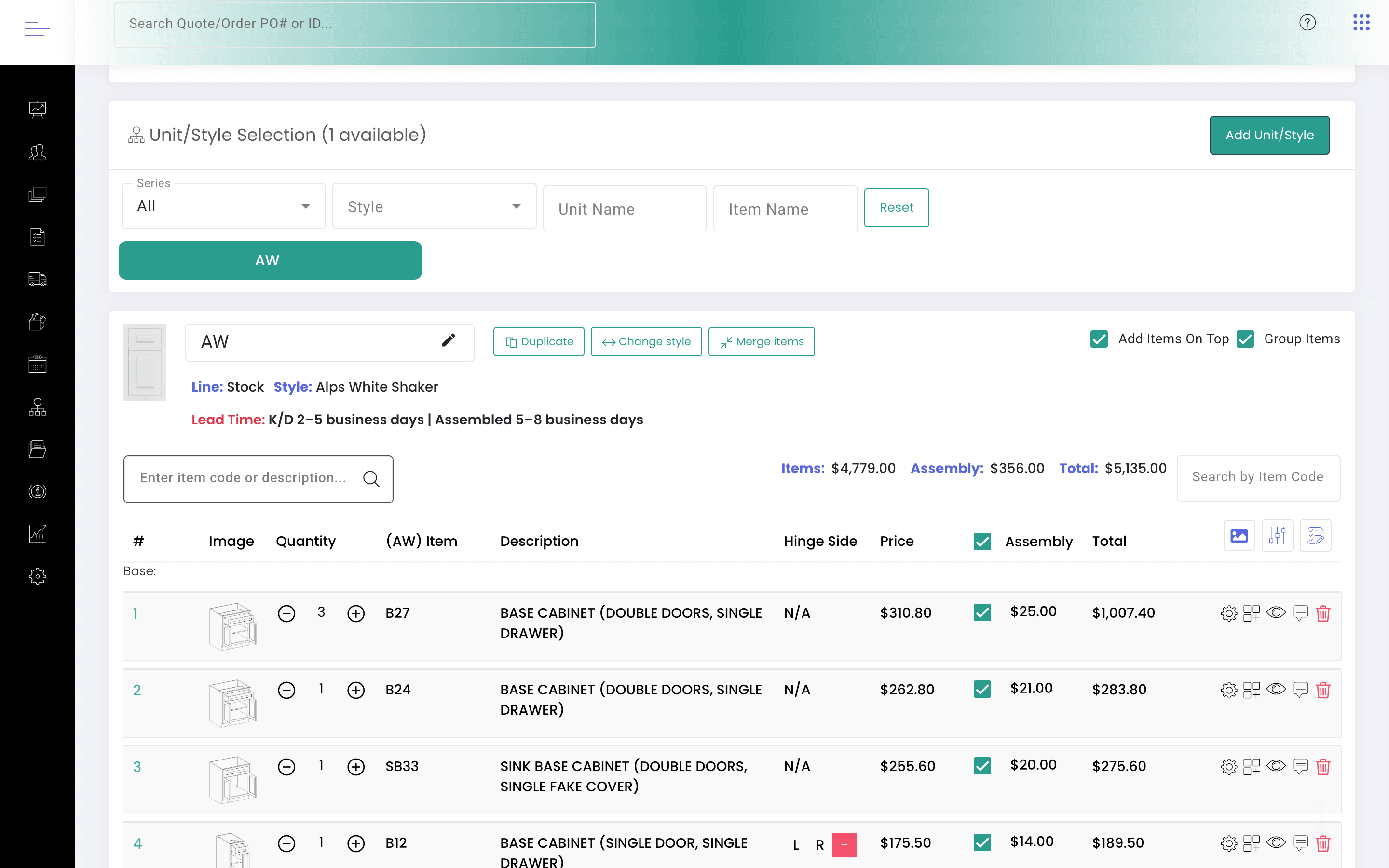
KitchenDEV facilitates seamless integration with QuickBooks Desktop Enterprise, empowering you to enhance your financial management processes. KitchenDEV makes the quoting process easy between you and your dealer. When both parties agree on the scope of the job and you make sure items are in stock and the configuration is right, the order can go into production.
At that point, you will have the option to export the job as an invoice to Quickbooks, where you can manage the payments and all other accounting aspects. Integrating our Cabinet Pricing & Ordering app with Quickbooks enables cabinetry manufacturing businesses of all sizes to grow faster by reducing man-hours, increasing efficiency, and improving productivity.
The KitchenDEV-Quickbooks ERP integration is perfect for cabinet manufacturing companies that want a simple way to bring their transactions directly into Quickbooks, without having to go back and forth between the two apps. By aligning with QuickBooks, KitchenDEV helps businesses maintain financial clarity while streamlining their overall operations.
Acumatica ERP Integration
KitchenDEV’s integration with Acumatica is tailored for manufacturers seeking a comprehensive ERP solution. This integration ensures a smooth flow of information between the KitchenDEV platform and Acumatica, promoting efficiency in order entry, production management, and financial tracking. Acumatica ERP integration with KitchenDEV saves time and minimizes manual work by allowing you to send an order from KitchenDEV to Acumatica and create an invoice in seconds. All cabinet styles, parts, modifications, and assembly/custom charges will be programmatically exported to sales orders in Acumatica. The result is a cohesive system that empowers manufacturers to navigate their operations seamlessly.
KitchenDEV’s compatibility with Netsuite, QuickBooks, and Acumatica showcases its commitment to providing a versatile and inclusive platform. By providing these integrations, KitchenDEV empowers kitchen manufacturers and retailers to choose the ERP solution that best aligns with their specific needs, ensuring a customized and efficient operational experience.
The Future of ERP System Integrations in the Kitchen and Bath Industry
The kitchen and bath industry is undergoing rapid technological changes, with advancements in smart appliances, 3D modeling, and customized design options. As the industry moves toward digitization and automation, ERP system integrations will play a crucial role in managing these advancements seamlessly. Future ERP systems will need to adapt to the increasing demand for real-time data, customization, and supply chain management.

For instance, smart kitchens will require ERP systems that can monitor inventory in real-time, automatically adjust orders based on customer preferences, and integrate with design software for seamless project planning. This also includes leveraging artificial intelligence (AI) to predict trends, optimize pricing strategies, and enhance customer experiences. Also, ERP integrations will focus more on sustainability by tracking eco-friendly materials and supporting businesses in minimizing waste.
As the kitchen and bath industry embraces more digital tools and customer-centric solutions, ERP systems will be integral in synchronizing all these moving parts. Businesses that integrate ERP systems effectively will be able to respond faster to market changes, manage projects more efficiently, and offer better customer satisfaction. This adaptability will become a key competitive edge in the evolving market.
KitchenDEV: Empowering the Future of Kitchen and Bath Businesses
KitchenDEV is set to be the perfect partner for kitchen and bath businesses looking to thrive in the future. By offering seamless ERP integration with industry-leading systems like QuickBooks, Acumatica, and Netsuite, KitchenDEV simplifies the entire workflow from design to production. Its easy-to-use platform streamlines tasks such as order entry, pricing, and project management, enabling businesses to improve efficiency and accuracy.

What sets KitchenDEV apart is its adaptability and focus on customization. Whether you’re a small retailer or a large manufacturer, KitchenDEV can be tailored to your specific needs, allowing you to automate processes, reduce manual work, and increase operational efficiency. The platform’s real-time data synchronization ensures that businesses can meet customer demands promptly and accurately, minimizing errors in the process. With ongoing support and continuous improvements, KitchenDEV helps businesses stay ahead of trends, making it a vital tool for growth and success in the kitchen and bath industry.
Elevate Your Business Beyond Integration with ERP Using KitchenDEV
Contact KitchenDEV to start a transformative journey for businesses considering software integration and beyond. KitchenDEV serves as more than just a solution provider; it is a strategic partner dedicated to optimizing your operations in the kitchen industry.
Let’s start with a personalized consultation, where our expert teams will delve into understanding the unique intricacies of your business. This tailored approach ensures that the subsequent integration strategy aligns seamlessly with your specific workflows and objectives.
KitchenDEV’s commitment extends beyond consultation, guiding businesses through a user-friendly, step-by-step setup process. Whether your focus is on Netsuite, QuickBooks, Acumatica, or other ERP systems, KitchenDEV provides specialized tools and expertise to facilitate a smooth integration experience.
However, KitchenDEV is not limited to software integrations. It emerges as a comprehensive platform offering features that span order management, production scheduling, inventory tracking, and more. It provides a dealer portal and order automation, as well as a cabinet retailer suite. By contacting KitchenDEV, businesses unlock a suite of tools designed to improve order accuracy, streamline sales and manufacturing processes, and enhance overall customer satisfaction.
Connecting with KitchenDEV is a strategic decision to fortify your business foundation for growth and competitiveness in the dynamic kitchen industry. Whether you are a cabinet manufacturer or a cabinet dealer, KitchenDEV becomes your ally in navigating the complexities of modern operations, ensuring efficiency, accuracy, and success.
ERP System Integration FAQ
- How doe ERP integrations work?
ERP system integration connects different business functions—such as accounting, inventory management, and sales—into a unified system. This integration allows data to flow seamlessly between departments, reducing manual input and improving accuracy. ERP systems typically communicate with other software applications via APIs (Application Programming Interfaces) to automate tasks like order entry or invoicing. With real-time data sharing, businesses can access updated information across all operations, improving efficiency. ERP integrations simplifiy workflows and support better decision-making across the organization.
- How long does ERP system integration take?
The time required for ERP integrations varies depending on the complexity of the system, the size of the business, and the degree of customization needed. For smaller, less complex integrations, the process can take anywhere from a few weeks to a few months. Larger organizations with more complicated operations and custom needs may require several months to over a year to fully integrate. Key factors include data migration, testing, and employee training. Proper planning and resource allocation can help streamline the timeline.
- How is an ERP connected?
ERP systems are connected through APIs (Application Programming Interfaces) or middleware that allows them to integrate with other software and databases. These connections enable data exchange between the ERP and applications like CRM systems, e-commerce platforms, and third-party tools. The ERP gathers information from various departments, synchronizing it in real-time to provide a unified view of operations. Cloud-based ERPs often use web-based connections for seamless access and integration. Proper configuration ensures data flows smoothly between the ERP and connected systems.
- Can a company use more than one ERP system?
Yes, a company can use more than one ERP system, especially if different departments or business units have specific needs that one ERP cannot address. For example, a company may use one ERP for financial management and another for supply chain operations. However, managing multiple ERP systems can create challenges, such as data inconsistencies and increased integration complexity. Companies often use middleware or APIs to ensure these systems communicate effectively. While possible, using multiple ERPs requires careful coordination and resource management to avoid inefficiencies.
- How ERP can be implemented?
ERP can be implemented by following several key steps. First, businesses must assess their needs and select the ERP system that best fits their operations. Next, the implementation process begins with planning, where timelines, budgets, and resources are established. Data migration from existing systems into the ERP is carried out, followed by system configuration to tailor the software to specific business requirements. Finally, employee training and testing ensure that the system works smoothly before it goes live across the organization.
Conclusion
As businesses from the kitchen industry navigate the dynamic complexities of the industry in 2025, the importance of seamless integrations cannot be overstated. It transcends a mere technological upgrade, becoming a transformative catalyst for businesses aiming to optimize workflows, minimize manual work, and thrive in a competitive market. The synergy achieved through ERP systems integration empowers organizations with real-time data access, enhanced collaboration, and streamlined processes.
KitchenDEV, with its commitment to facilitating ERP integration, leverages technology for efficiency, and emerges as a trusted ally for industries like the kitchen sector. By offering customized tools and support for popular ERP systems, such as Netsuite, QuickBooks, and Acumatica, KitchenDEV ensures businesses can not only integrate ERP seamlessly but also elevate their overall operational efficiency, setting the stage for sustained growth and success in the ever-evolving landscape of modern commerce.